
Wetplants
Rotala Nanjenshan Bunch Plant - 3 Pack
Rotala Nanjenshan Bunch Plant - 3 Pack
Couldn't load pickup availability
2026 Pond Plant Shipping Schedule
2026 Pond Plant Shipping Schedule
Zone 9-12: Early-to-Mid March
Zone 8: Mid-to-Late March
Zone 7: Early-to-Mid April
Zone 6: Mid April to Late April
Zone 5: Early-to- Mid May
Zone 4: Mid-to-Late May
Zone 3: Mid May to Early June
Zone 2: Late May to Early June
Zone 1: Early-to-Mid June
View full shipping map here → [link]
Rotala 'nanjenshan'
Common Name: Rotala Nanjenshan
Family Name: Lythraceae
Native To: Taiwan
Lighting: Medium
pH: 6 - 8
Growth Demands: Easy
Growth Form: Stem
Growth Rate: Medium
True Aquatic: Yes
Placement in Tank: Background
Available As: Bunch
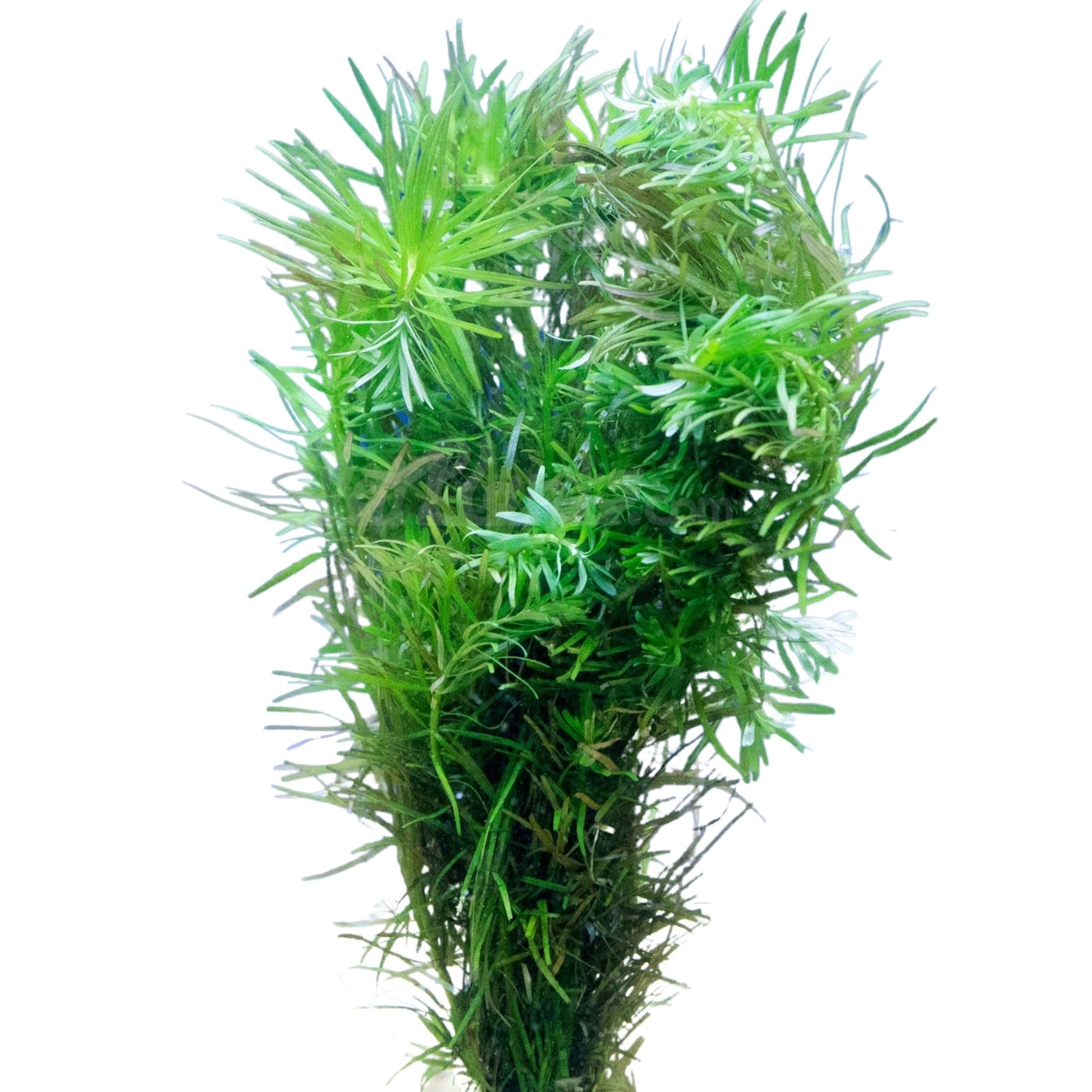
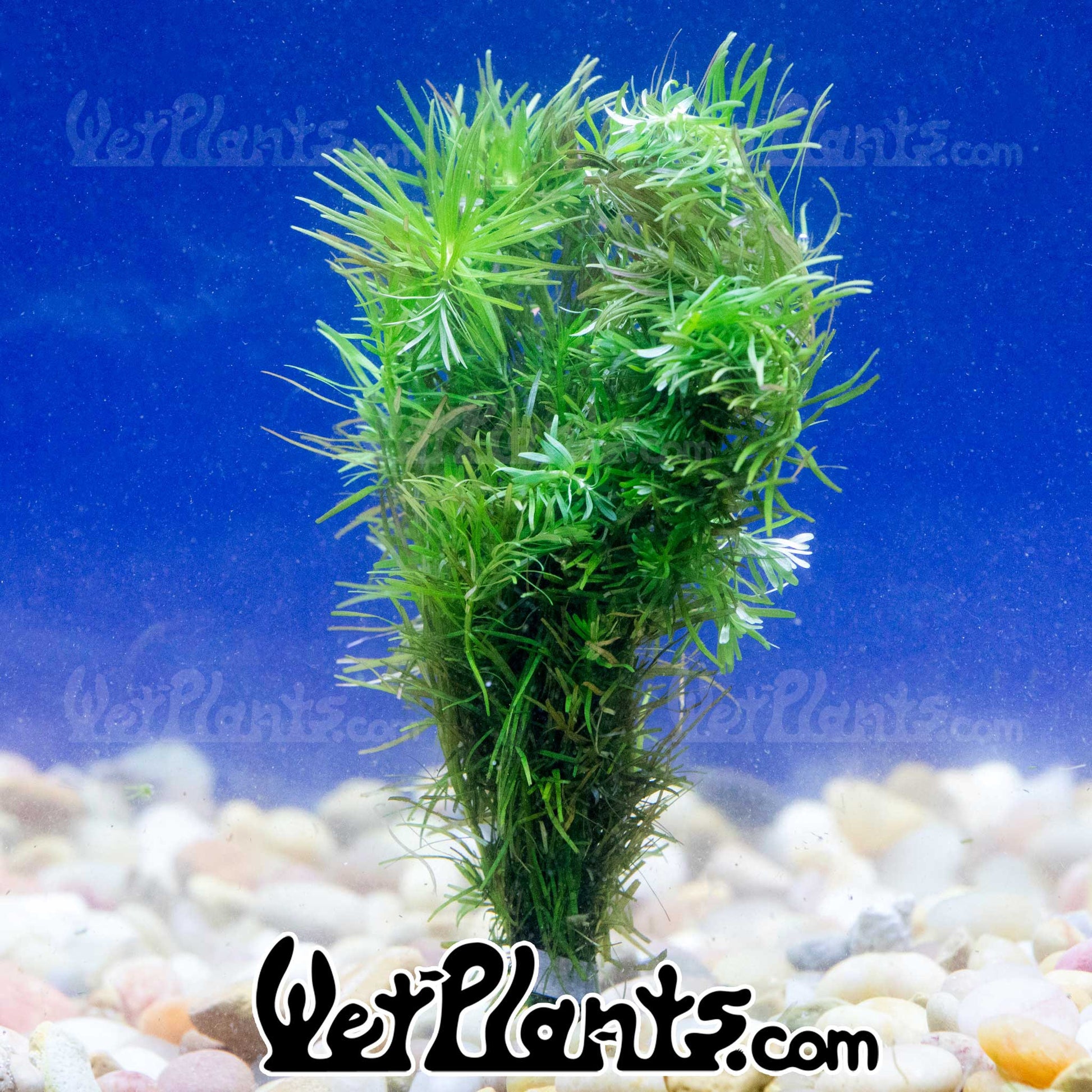
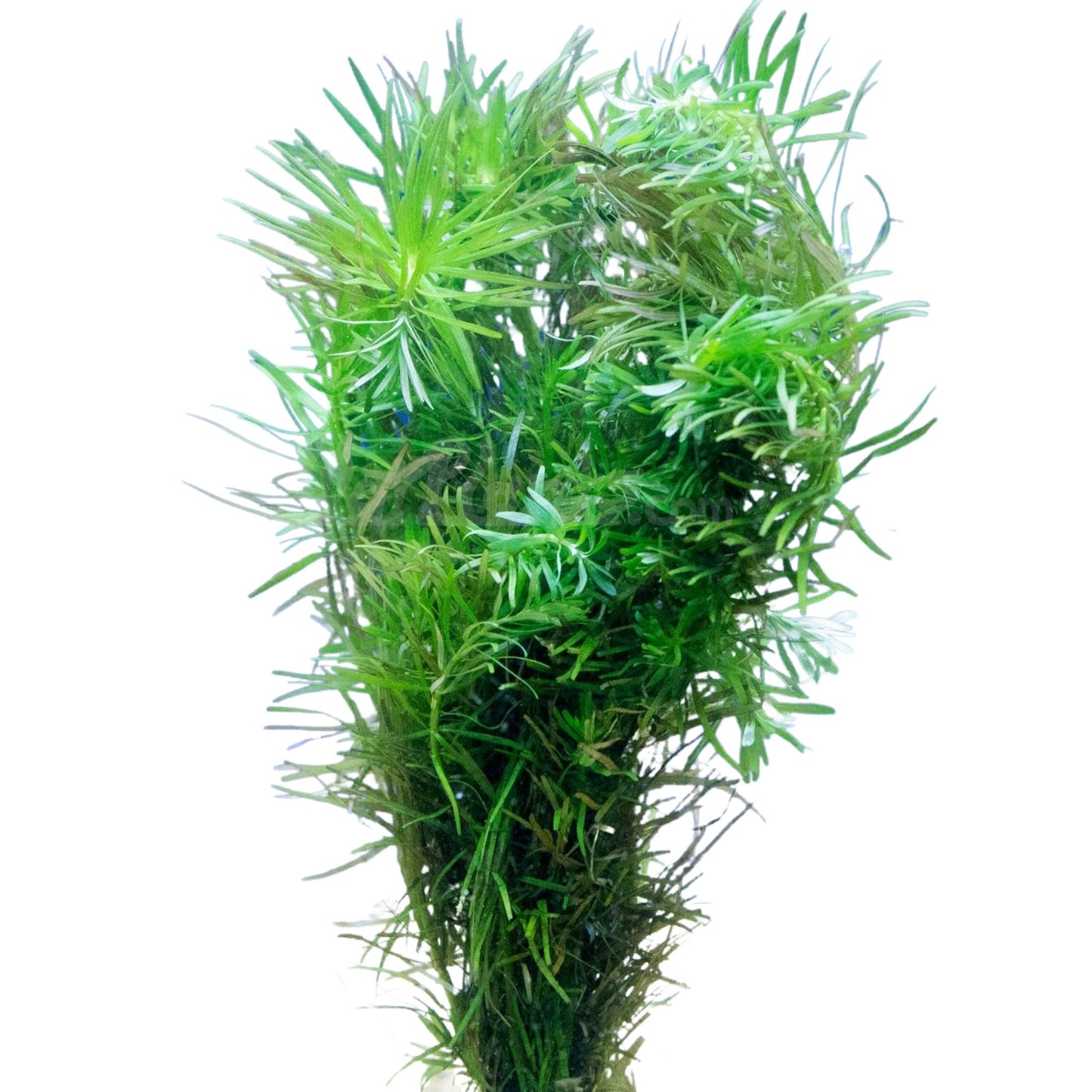
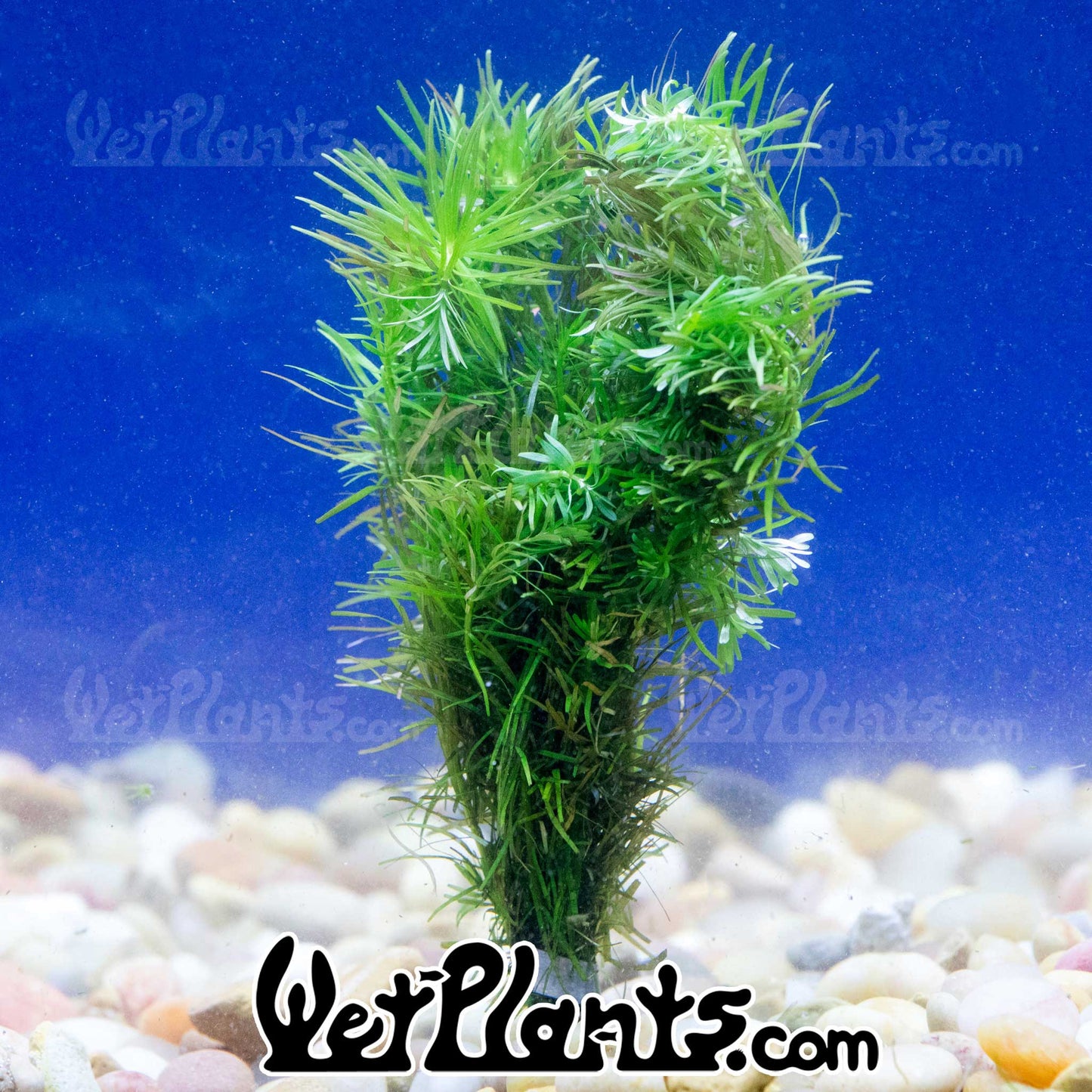
Rotala Nanjenshan is hybrid and a cross between Rotala Rotundifolia and Rotala Wallichi. It has dense stems with very thin leaves that give it a bushy appearance. Rotala Nanjenshan can be difficult to keep as it needs quality aquarium lighting and CO2 injection to thrive. It is also fairly fragile and should only be planted in an aquarium with smaller docile fish species as overly active or aggressive swimmers have the potential to destroy the aquatic plant. Rotala Nanjenshan grows dense and will require regular pruning to keep it in tip-top shape.
Share
-
100% Satisfaction Guarantee
If you accept your plants on the first delivery attempt and find that they did not survive the shipment, please take a photo of the deceased plants within 12 hours of delivery, and, submit a claim by clicking HERE. Please have the email you completed the purchase with and your order number ready. When prompted, please select 'Damaged' as your reason.
-
Hitchhiker Warning
We recommend cleaning all plants before adding them to your tank. We regularly perform quality checks prior to shipping plants. However, we cannot guarantee our plants to be snail or hitchhiker-free. If you do not want to risk snails, please consider rinsing plants, conducting a bleach dip, or quarantining plants prior to adding them in your aquarium. Snails are a natural part of working with live plants.